
In the fast-paced world of IT, companies often focus on optimizing productivity by hiring skilled professionals, streamlining workflows, and setting deadlines. While these efforts can undoubtedly enhance efficiency, they fail to address a critical factor in innovation: creativity.
The Limitations of Time-Based Productivity
Time is a finite resource. Organizations can pay employees for their hours, ensuring projects are completed within deadlines. However, true breakthroughs in technology, software development, and IT solutions do not simply arise from clocked-in hours. Creativity, problem-solving, and innovation require more than structured schedules—they demand freedom, inspiration, and an environment that nurtures fresh ideas.
Why Creativity is the Driving Force in IT
- Innovation is Not a Checklist Item
Unlike routine coding tasks or maintenance work, groundbreaking IT solutions require creative thinking. Whether developing an AI-powered application, designing an intuitive user experience, or optimizing cybersecurity protocols, the most impactful work comes from outside-the-box thinking. - Solving Complex Problems Requires Ingenuity
IT professionals often face unforeseen challenges. A rigid, time-bound approach might push employees to find the quickest solution rather than the best one. Encouraging creative exploration leads to robust, future-proof solutions. - User-Centric Design Needs Empathy and Vision
Software and applications should be designed with the end-user in mind. Understanding human behavior, predicting needs, and creating intuitive interfaces require more than technical knowledge; they demand a creative mindset.
The Toxicity of the 80-Hour Work Culture
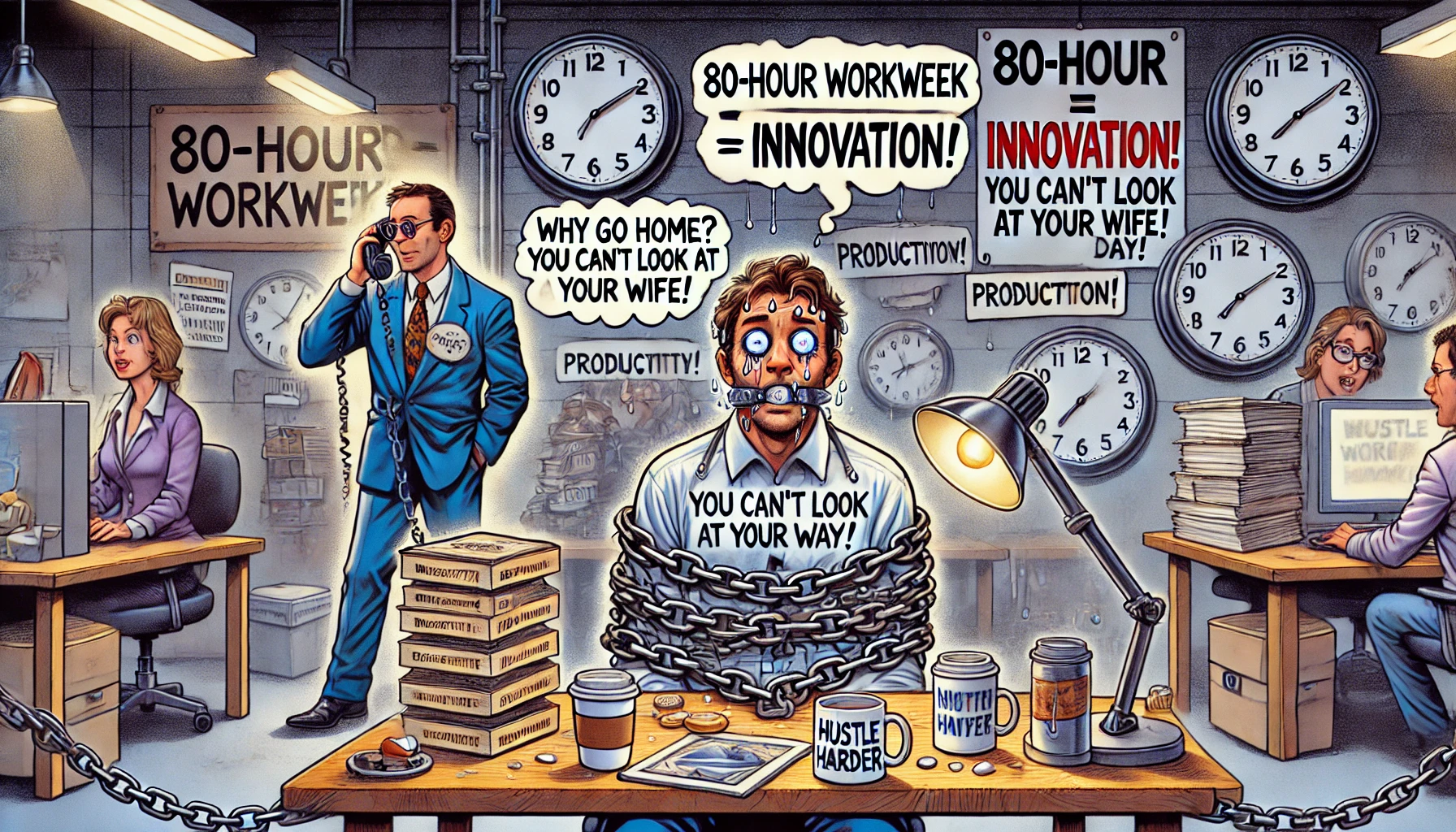
Recently, Infosys stirred controversy with its comments advocating for an 80-hour workweek culture. Such an approach not only disregards the well-being of employees but also undermines the very essence of innovation. Overworking employees leads to burnout, reduced cognitive function, and a decline in creative output. No amount of extended working hours can substitute for a fresh, motivated mind. IT companies should focus on fostering an environment where employees work smarter, not just longer. Productivity should be measured by impact, not exhaustion.
Adding to the absurdity, remarks such as “What will one do on the weekend? You cannot see your wife the whole day” reflect an outdated and toxic corporate mindset. Employees are not machines meant to function endlessly without personal lives. People have passions, families, and responsibilities outside of work that contribute to their overall well-being and creativity. Dismissing personal time as trivial is not just ignorant but also counterproductive. The most successful professionals are those who have a healthy work-life balance, allowing them to return to work rejuvenated and with fresh ideas.
Fostering Creativity in an IT Organization
To harness creativity, companies must go beyond conventional management tactics. Here are some strategies:
- Encourage Autonomy: Give employees the freedom to explore solutions in their own way rather than micromanaging every step.
- Create a Collaborative Environment: Foster teamwork across departments to merge different perspectives and expertise.
- Support Continuous Learning: Provide opportunities for skill development, workshops, and exposure to new technologies.
- Value Quality Over Speed: While deadlines are essential, prioritizing well-thought-out solutions over rushed outputs leads to better long-term results.
- Recognize and Reward Creativity: Acknowledge and celebrate innovative ideas to motivate employees to think beyond their immediate tasks.
Conclusion
An IT company that focuses solely on maximizing work hours without cultivating creativity risks stagnation. While you can buy time, true innovation stems from an environment that nurtures imagination, curiosity, and exploration. The future of technology belongs to those who value and invest in creative minds, not those who subscribe to archaic, burnout-inducing work philosophies. Companies that respect work-life balance and treat employees as whole individuals—rather than mere workhorses—will thrive in the evolving digital era.